– Albert Einstein
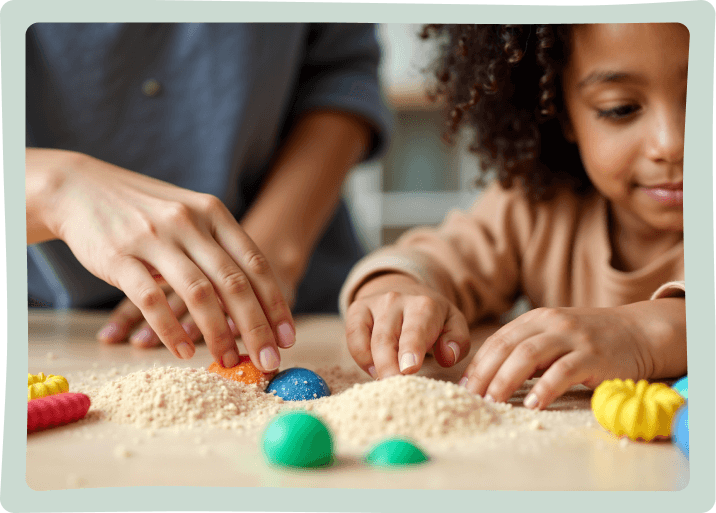
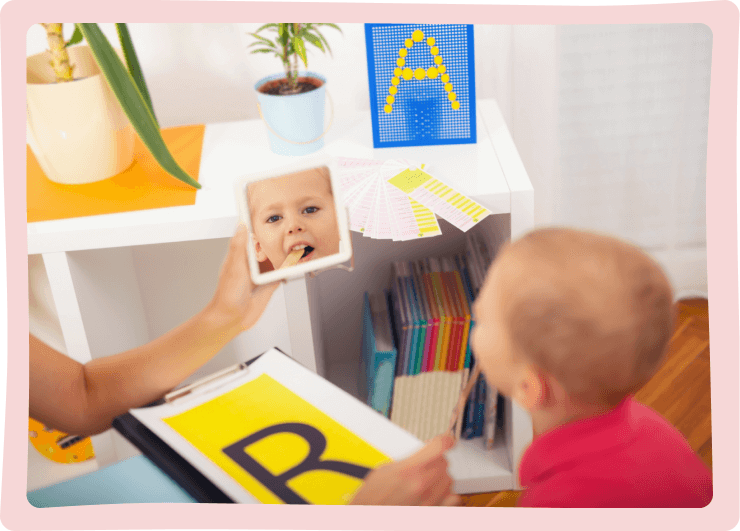
This practice offers Occupational Therapy assessments and treatment for children from birth to 13 years of age. We are dedicated to treat limitations (physical disabilities, social, emotional, executive functioning, motor skills and visual perceptual skills) and learning difficulties, hindering activities of daily living, through play-based activities and by making sure that the children achieve their developmental milestones and optimal performance within the home and school environment.
By incorporating play into occupational therapy, we create a supportive and engaging environment that fosters growth and development. This playful approach not only captures a child’s interest but also motivates them to participate actively in therapy.
When we assess a child, we focus on identifying any sensory processing issues, visual perceptual challenges, coordination difficulties, or emotional and cognitive barriers that may hinder their ability to play effectively. Through tailored activities and interventions, we address these underlying issues while ensuring that each session feels like an enjoyable experience.
The collaboration with parents is crucial. Our feedback sessions after each assessment provide parents with valuable insights into their child’s progress and strategies to support their development at home. By maintaining open communication and aligning our therapy goals with family objectives, we create a cohesive support system that maximizes the child’s potential.
Ultimately, our mission is to enhance the child’s ability to engage in play (appropriate for their age and stage of development) — essential to their development and well-being — so they can thrive both in therapy and in everyday life. Together, we celebrate achievements, navigate challenges, and create a positive impact on each child’s journey.
Screenings
Developmental screening (0 – 2 years)
Early intervention
School readiness
Gross motor skills
Fine Motor skills
Handwriting
Muscle tone, muscle strength, endurance
Developmental delays
Visual perceptual skills
Social participation
Emotional regulation
Communication skills
Relaxation therapy
Coping mechanisms
Independence
Self-care
Sensory challenges
Developmental delays
Dyslexia
Dyscalcia
Dyspraxia
Intellectual disabilities
Learning difficulties
Attention Deficit Hyperactivity
Disorder (ADHD)
Attention Deficit Disorder (ADD)
Autism Spectrum Disorder (ASD)
Other Neurodevelopmental disorders
Anxiety
Depression
Neglect
Bullying
Dealing with death/illness like Cancer
Trauma – like divorce/abuse etc.
PTSD (Post Traumatic Stress Disorder)
Self-esteem problems
Emotional regulation